
by GreenKeeper | Oct 28, 2026 | Blog
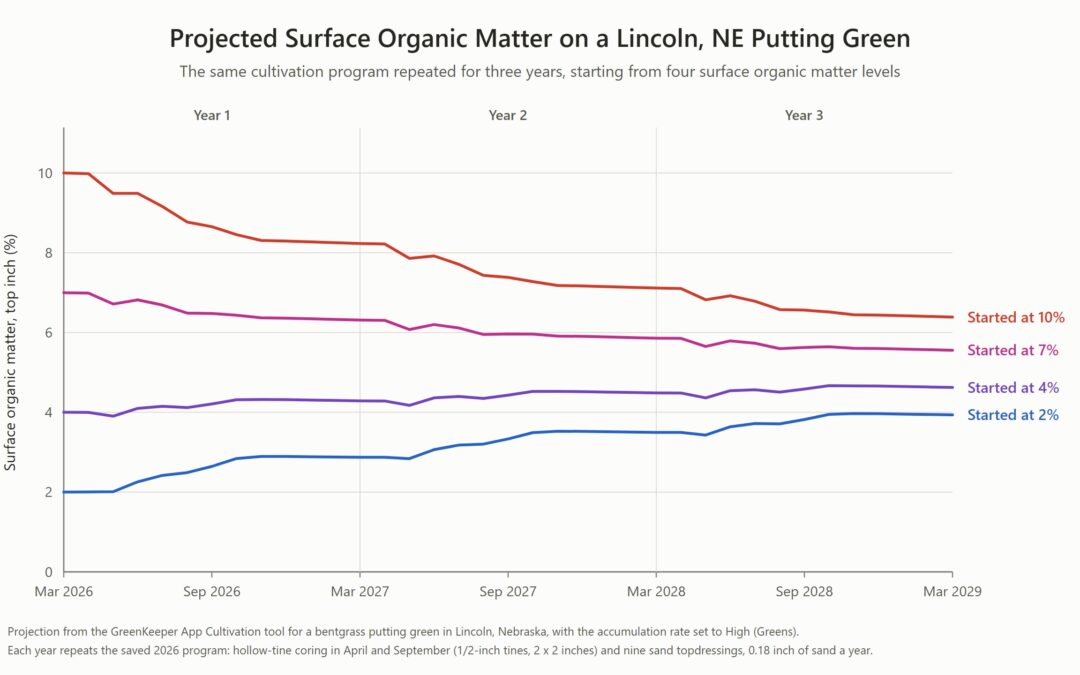
GreenKeeper Surface Organic Matter Series · Part 2In the first article of this series, we explored how much surface organic matter could realistically change under a typical cultivation and topdressing program. One of the more interesting findings was that the same...

by Bill Kreuser | Oct 13, 2026 | Blog, GreenKeeper Growth Series
GreenKeeper Growth Series Part 3In the last article in this series, I argued that a thermometer is often a better biological clock than a calendar. Growing degree days help explain why 14 calendar days in July can represent a very different amount of biological time...
by GreenKeeper | Oct 6, 2026 | Blog
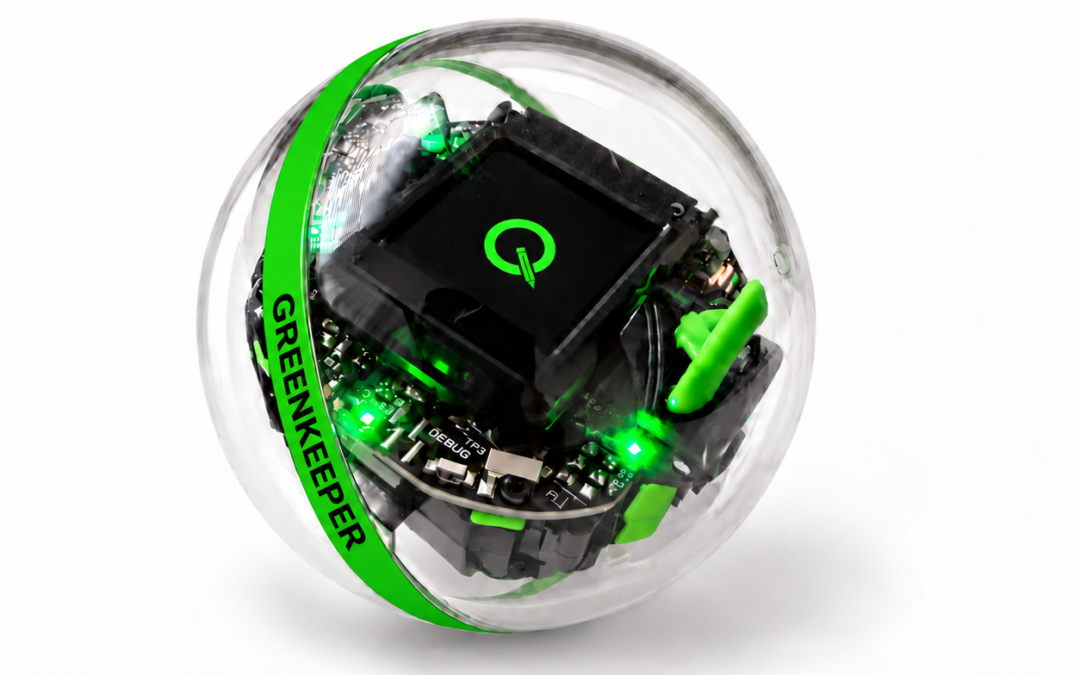
While GreenKeeper Q looks fun to use—and it is—inside its clear shell is a robotic measurement platform that represents a major departure in putting green performance measurement. For decades, golf course superintendents have largely measured greens performance by...
by GreenKeeper | Oct 4, 2026 | Blog
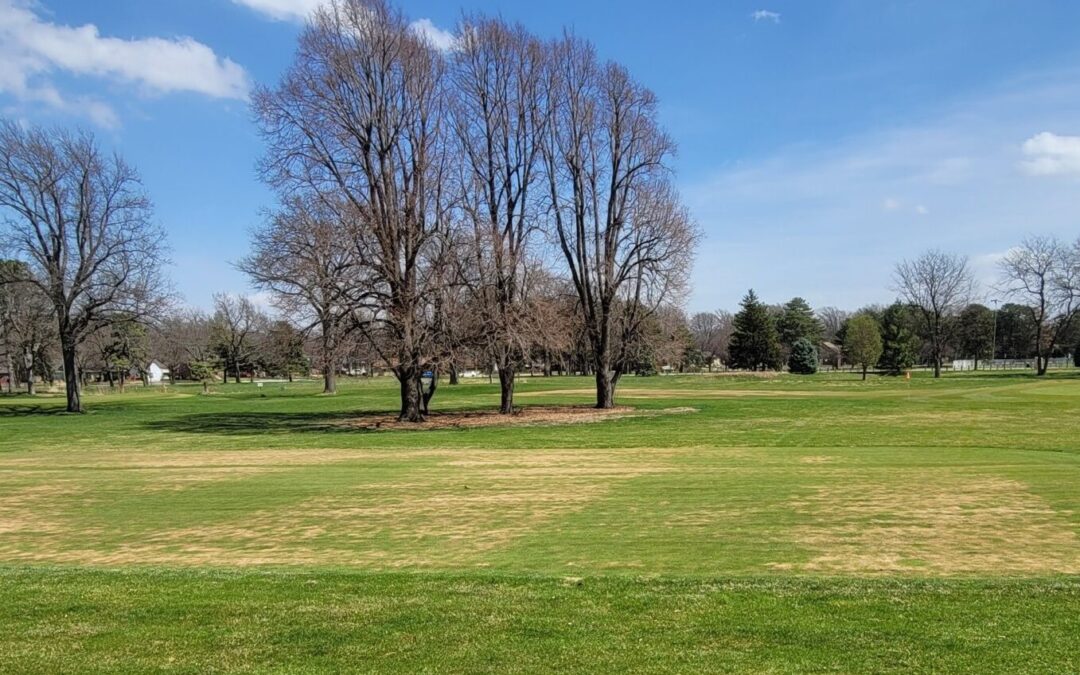
Fall weather can make wetting agent scheduling deceptively difficult. As air temperatures cool—especially nighttime temperatures—growing degree days accumulate more slowly and microbial degradation of wetting agents slows. That means an application that may have...
by GreenKeeper | Sep 23, 2026 | Blog
GreenKeeper Surface Organic Matter Series · Part 1Scheduling cultivation and topdressing is always a tricky and sometimes controversal task. These practices are disruptive to players, costly, and tough on turf equipment. How much cultivation is really required?...

by GreenKeeper | Sep 23, 2026 | Blog, GreenKeeper Growth Series
GreenKeeper Growth Series Part 2In the first article of the GreenKeeper Growth Series, we used nearly 500,000 clipping-volume measurements to examine how much putting greens actually grow. One of the clearest environmental signals associated with that growth was...